How to Choose a Niagara Falls Tour That Fits Your Day
Choosing the right way to see the falls is less about finding the biggest itinerary and more about matching the day to your pace. Niagara Falls can be explored from above, below, and from the water, but each option uses time and energy in a different way. A little sorting before you commit will make the visit smoother, especially if you are trying to fit several sights into one day.
Start with the side of the falls you want to see
The first decision is location. The falls sit on the border between the United States and Canada, and both sides offer distinct views. The American side gives close access to Goat Island, Bridal Veil Falls, and the Niagara Gorge. The Canadian side is often chosen for broad panoramic views and the Observation Tower area. If you only have one day, decide which side matters most before looking at any specific outing.
Think about how you will arrive. If your hotel or transport is on one side, crossing the border can add time, especially when queues form at the bridge. A plan that looks short on paper may stretch if it involves border checks, parking, or long walks between entry points. Keep the geography simple unless the extra travel is part of what you want.
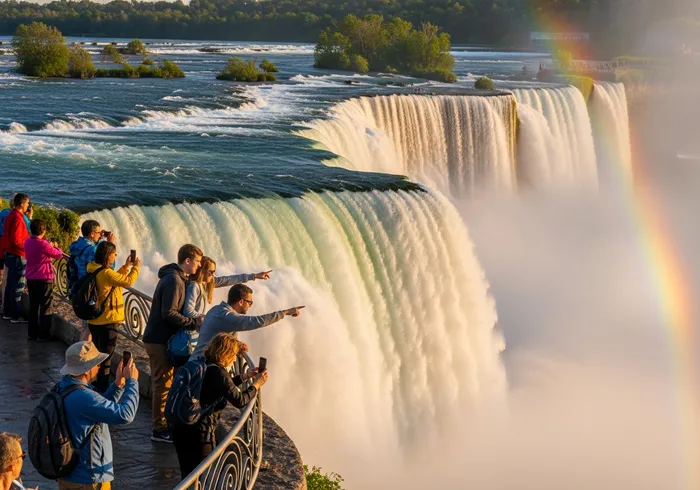
It also helps to know what kind of view you are seeking. Some people want the close rush of water and spray. Others prefer a wide view that shows the shape of the whole horseshoe. The American Falls and Bridal Veil Falls are dramatic up close, while the Canadian side gives a fuller sweep. Neither choice is wrong, but one will usually suit your priorities better.
Set your pace before comparing options
A good niagara falls tour should fit the way you like to move. Some visits are gentle and mostly scenic. Others include stairways, wet walkways, boat decks, tunnels, and several stops. If you are travelling with children, older adults, or anyone who dislikes long periods on their feet, a packed route can feel harder than expected.
Check the amount of walking in plain terms. Look for details about step-free routes, stairs, shuttle movement, and how long you may stand waiting. Maid of the Mist involves boarding a boat and spending time near the water, where spray is part of the experience. Cave of the Winds includes walkways close to the falling water, so expect wet conditions and a more active route. These are memorable choices, but they suit different comfort levels.

Weather also changes the feel of the day. Warm weather makes wet walkways less troubling, while cold weather can turn spray and wind into a real discomfort. If rain is likely, a route with covered viewpoints or indoor stops may hold up better. If the day is clear, outdoor platforms and boat rides become more appealing.
Decide what you want included
Once you know the side and pace, compare what each outing actually covers. Some focus on the main waterfalls and nearby viewpoints. Others add gardens, historical areas, a boat ride, or time at a lookout. The best choice is not always the one with the most stops. Extra stops can be worthwhile if they interest you, but they can also crowd out time at the falls themselves.
A useful way to judge an itinerary is to separate must-see elements from extras. If close contact with the water matters, look for a route that includes Maid of the Mist or Cave of the Winds. If photography matters, allow time for Goat Island and for viewpoints on both sides of the river if you plan to cross. If night illumination is a priority, check whether the schedule reaches the falls after dark and whether that part is included.
Be careful with vague wording. Terms like scenic visit or highlights may hide the fact that several attractions are only viewed from a distance. Look for plain descriptions of what is visited, how long each stop lasts, and whether entry is arranged as part of the experience. Clear details usually make comparison easier.
Check timing in real terms
Timing shapes the whole visit. Morning hours can be quieter, while midday often brings more people to the main viewpoints. Late afternoon light can be pleasant for photos, and evening can add a different mood when the falls are lit. The right time depends on whether you value space, light, or a slower end to the day.
Read the schedule closely. Note the meeting point, the duration, and whether the end point is the same as the start. A route that begins near one entrance and ends near another may require an extra walk or a return journey. If you have other plans after the falls, that detail matters.
Buffer time is also important. Border crossings, parking, lift queues, and crowded pathways can take longer than expected. Avoid packing another booking too closely after the falls. A little open time at the end gives you room to linger at a viewpoint or handle delays without rushing.
Match the route to your reasons for visiting
Different travellers look for different things, and the same route will not suit everyone. A first visit may call for a balanced plan that covers the famous viewpoints and one signature water experience. A return visit may be better with a narrower focus, such as the Niagara Gorge, quieter paths, or a particular angle of the falls.
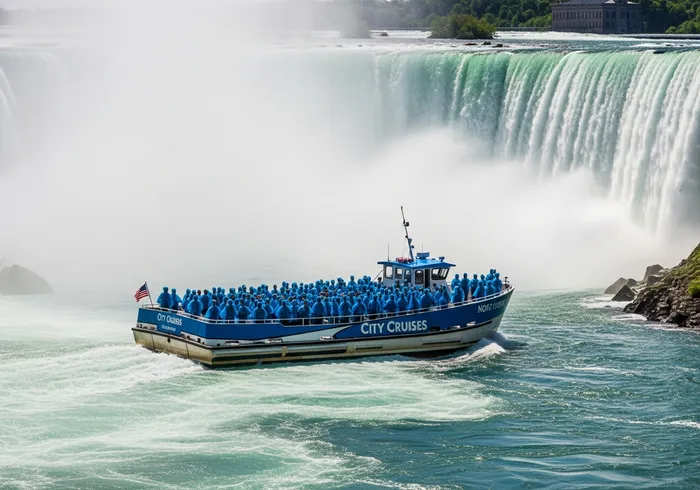
For a family day, choose a plan with clear meeting points and enough breaks. For photography, favour early or late light and allow time to wait for a clear view. For someone who wants to feel the power of the water, a boat or close walkway is more satisfying than a distant lookout. For a relaxed outing, keep the number of stops low and pick viewpoints with easy access.
Season can tilt the decision too. Summer tends to bring fuller schedules and larger crowds. Autumn can offer cooler walking conditions and a change in scenery. Winter can be striking, but some routes feel more limited when paths are icy or attractions run on reduced schedules. Always check current operating details before settling on a plan.
Read the practical details carefully
Before making a choice, slow down and read the smaller details. This is where many disappointing visits begin. Check where the route starts, what transport is involved, and whether there are long waits between stops. If the listing mentions a meeting point, make sure you know how to reach it and how much time you need to get there.
Look for what is not included as well as what is included. Meals, entry to certain attractions, transport between sites, and gratuities may be handled separately. That does not make an option poor value, but it changes the total plan. Knowing this in advance avoids surprises on the day.
Accessibility deserves the same attention. If anyone in your group needs step-free movement, confirm that the full route works, not just the main viewpoint. Ask whether boats, platforms, tunnels, and lookouts can be reached without stairs. If the answer is unclear, choose an option with simpler access or plan a shorter visit.
Compare reviews with a critical eye
Reviews can be useful, but they should be read for patterns rather than one strong opinion. A single complaint about weather or crowds may say little about the route itself. Repeated comments about skipped stops, unclear meeting points, or rushed timing are more useful. Repeated praise for a calm pace or clear organisation can also help.
Pay attention to reviews from travellers with similar needs. Comments from families, solo visitors, or people with mobility needs may highlight details that a general description misses. Look for practical notes about walking, waiting, views, and how the day was structured. Ignore anything that sounds like a personal complaint with no clear reason.
It also helps to compare recent comments with older ones. Schedules, access arrangements, and crowd patterns can change. Recent feedback is usually more relevant for planning, while older reviews may still describe the overall character of a route.
Make the final choice with a simple test
By this point, narrow the decision with three questions. Does the route show the side of the falls you care about? Does the pace suit everyone travelling? Are the timings and meeting details easy to manage? If the answer is yes to all three, the option is likely a good fit.
If two options still seem close, choose the one that leaves more room for the unexpected. Falls weather changes quickly, viewpoints can fill up, and border traffic can slow a day without warning. A plan with fewer tight connections is often more satisfying than one that tries to cover everything.
The right niagara falls tour should feel clear before the day begins. You should know where you are going, what you will see, how much walking is involved, and where you will be at the end. When those points are settled, the visit can be enjoyed for what matters most: the sound, scale, and movement of the water.